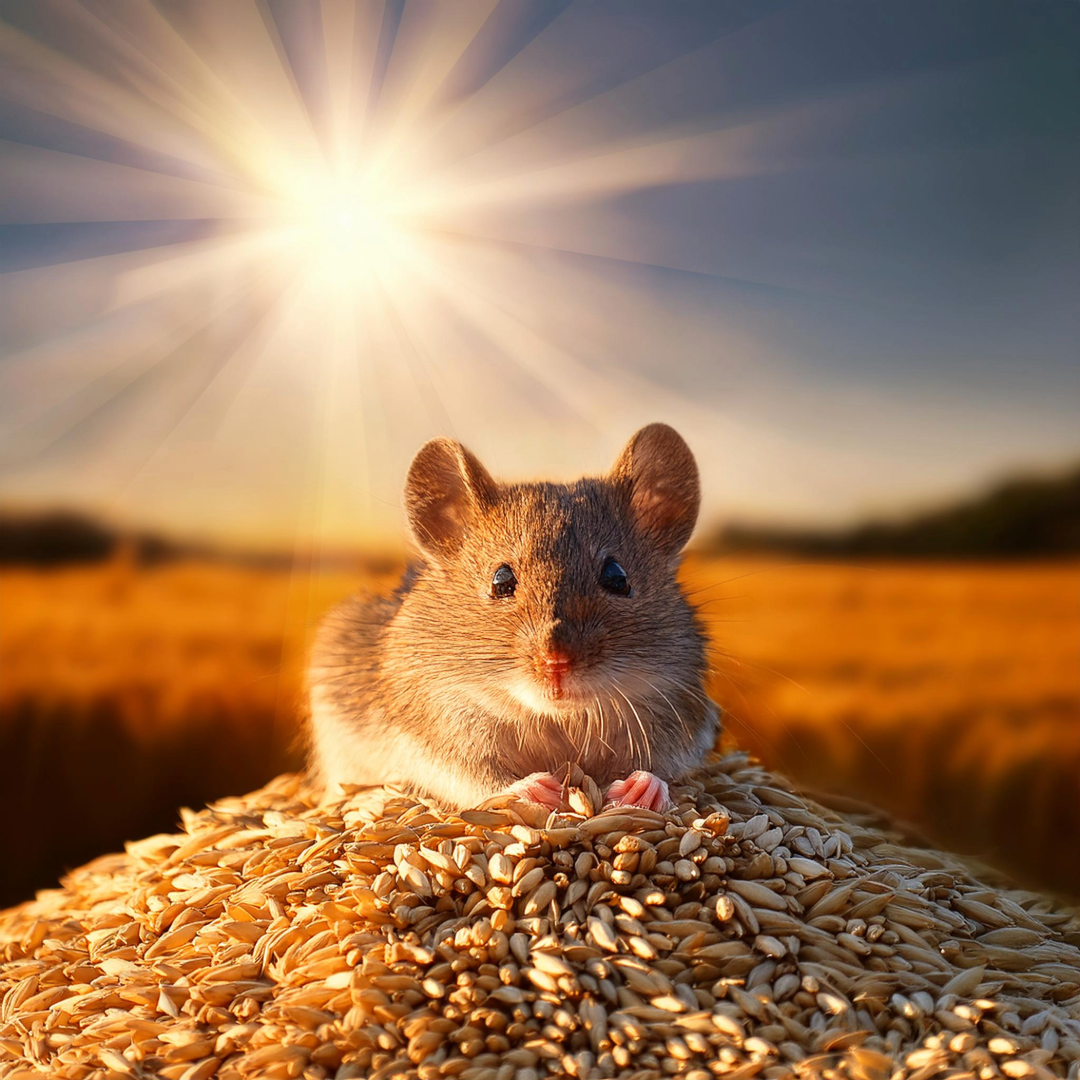
A fable
The Mouse Who Saves the World
A chubby, grain-fed field mouse goes to the city. Skinny from hunger, she saves the world from a nuclear disaster.
A romance
by Luisa Penrose (pseudonym) · 10 pages
Guadalupe/Lupe Linda is a new bus who feels her passengers' moods. She finds their low feelings hard to bear. An older bus, Eduardo, with dents, missing paint, shares his secret to happiness and gives her reason to keep on beeping and busing.
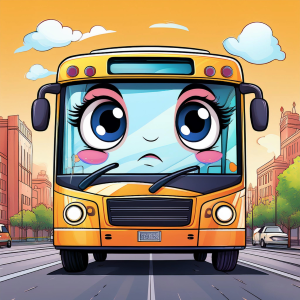
Buses in Latin America crash over cliffs on a regular basis; the passengers still onboard.
How can the brand-new, top-of-the-line, streamlined, girl-named bus stay in the terminal to find peace in her transport role? Enter old Eduardo, he knows the way to happiness.
Lupe Linda falls in love with wise Eduardo and he helps her to thrive.
The opening chapter, in full, without leaving the page.
The Buses Who Fell in Love
Chapter One
I sat with my back to the wall in the grimy, bus station cafe. A chubby-cheeked boy sitting at the next table inhales a green Jell-O with ice cream in one slurping gulp. He smacks his lips on an ice cream face and smiles to his mother. Not a pleasing sight.
I’d avoided the sidewalk, fronting the cafe and terminal plaza crawling with mumbling beggars and mental miscreants to bypass hassle. Safe, inside the cafe, I ordered the national drink: Coffee—el grano de oro the bean of gold.
“Un cafecito con leche, por fa.”
The diesel bus rattles blue smoke through the narrow terminal entryway. Grumbling past the cracked cafe window, it wheezes and gasps to a stop at the terminal gate. Inching slow to a precise stop at the gate is the buses favorite part of the day.
A well-dressed woman walks into the cafe sporting a haughty air, not welcomed or respected in a terminal filled with the poor and destitute. Her hair, in perfect style, contradicts the snag of toilet paper clinging to her heel. She sits, notices her dilemma and, with care signing disgust, uses the other foot to scuff clear of the embarrassment. Everyone in the cafe shares a private smile over her chagrin.
“Tea, con limón." She opened a book to escape this horrid place but can’t ignore her situation. Imagine her, taking the bus! Below her social position, not her style. One thing’s sure, she won’t be seen by her friends in a place filled with the poorest of travelers, robbers, beggars and vendors. People trying to survive hard-shell life are gathered under one roof; in common company there is no derision or ridicule.
An old man takes a hard-pack of smokes from his shirt pocket and lighter from his jacket and flashes a nail into his smoker’s complaint, coffin.
There was a time, in the man’s life, when cigarettes weren’t cancer, they were suave and debonair. Rooms filled with Bogarts and Bacall’s looking casual, movie-star style, inhaling and exhaling, relaxing, with ephemeral thoughts on their minds.
“I’m going to quit,” he nods to me, a promise that will never come true.
Another bus, engine clanking into first gear, black smoke spewing, chuffs by the door. Oily, blue/black diesel is greasy smoke, it coats patrons, terminal workers and restaurant tables with equal smear. The hamburgers taste is not their own.
Back in the day, commercial, inter-city buses in Latin America had names painted on their sides. No one can explain why they have names, or how they’re chosen. (Today, the bus sides sport ads.) Some buses have religious names (El Santo), a person (Arnoldo), or a saucy one (La Dulcita). The naming of buses is one of the unsolved Costa Rica, old-school mysteries; a mystery this story may help to explain.
'Guadalupe Linda' (Beautiful Guadalupe, the patron saint of Mexico) disgorged her final passenger with a heave and air-brake-release ‘ppssss’ sigh. She thought, ‘this job is too much for me, the streets are filthy and travel on these insane roads is dangerous. My passengers are confused, sad, and many have lost hope. They scurry in and out of me like ants scurrying on an anthill. Except, I’m the hill, and their desperate situations are affecting me in a serious way.’
Humans have feelings all their own, but buses feelings come from their passengers. They feel their passenger’s pain and anguish, desperation and acceptance; some buses don’t mind, others don’t care. But Lupe’s feelings, being new to the commuting world were still tender and untested.
Lupe Linda (as she’s known by her friends) was built different. Her mechanic, at the Volvo factory was an old timer, a Marco Polo engine maker employee who knew about buses feelings. Sweden is a sensitive culture, and he shared this national attribute with Lupe. With his special touch of mechanical fine-tuning, he geared her to have feelings too.
Hugo, her creator, was a father and grandfather who built her motor heart and from him, she learned love and belonging to a home. The extra touch made her feel special, but the sensitivity gave her challenges she had yet to understand.
The angst of passengers affected her in a direct way. Too many expressions of a life in destitution and turbulent situations for a young bus to deal with. Not all buses feel their passenger’s aches and pain like Lupe for them; the feeling part doesn’t bother them at all. Some become hardened to it and spend their lives feeling nothing and being misunderstood. Feelings felt should never be denied.
A fable
A chubby, grain-fed field mouse goes to the city. Skinny from hunger, she saves the world from a nuclear disaster.
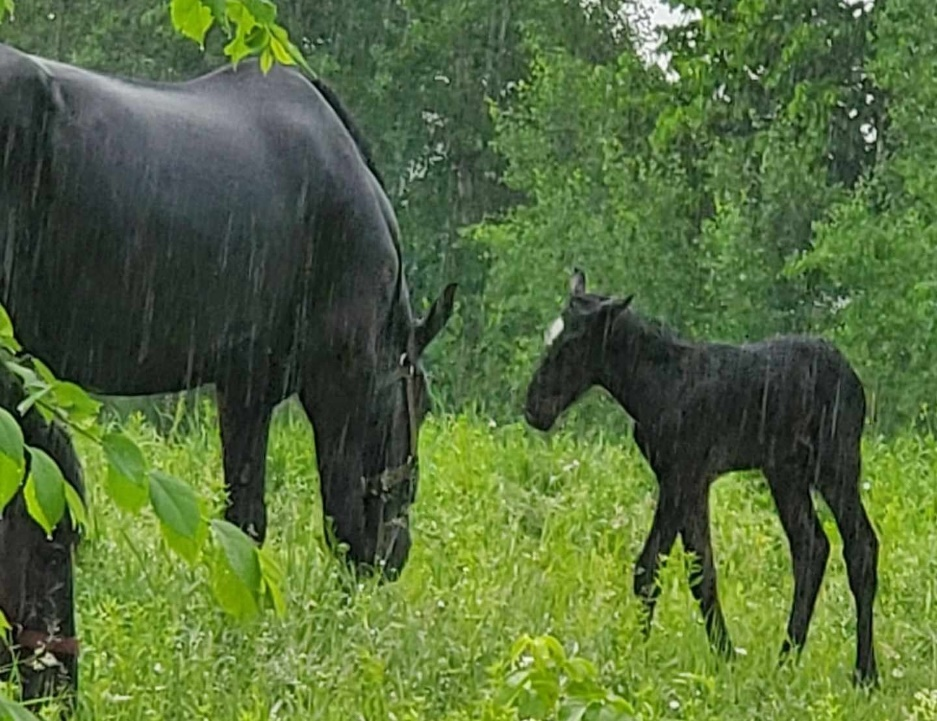
A bond
A filly born into a family horse farm is nothing special to look at until she begins to dance.
A memory
A man who’s forgotten almost everything is saved from the street’s destitution by a tiny, rough furred dog.

A digger
No one wants the runt of the litter until she starts digging...
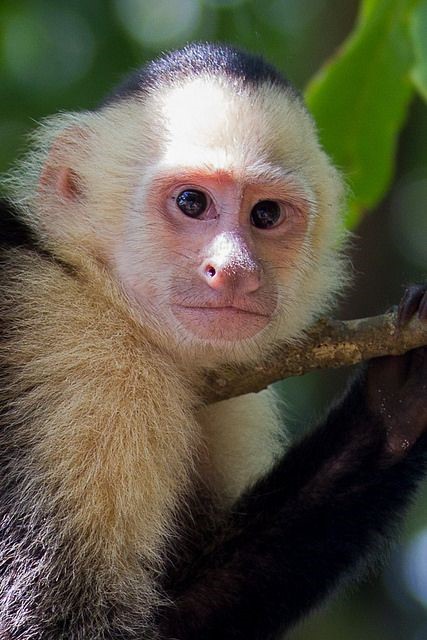
Born albino/white into a dark, howler monkey family she saves her troop from starvation and brings a new species into the primitive world of monkeys.
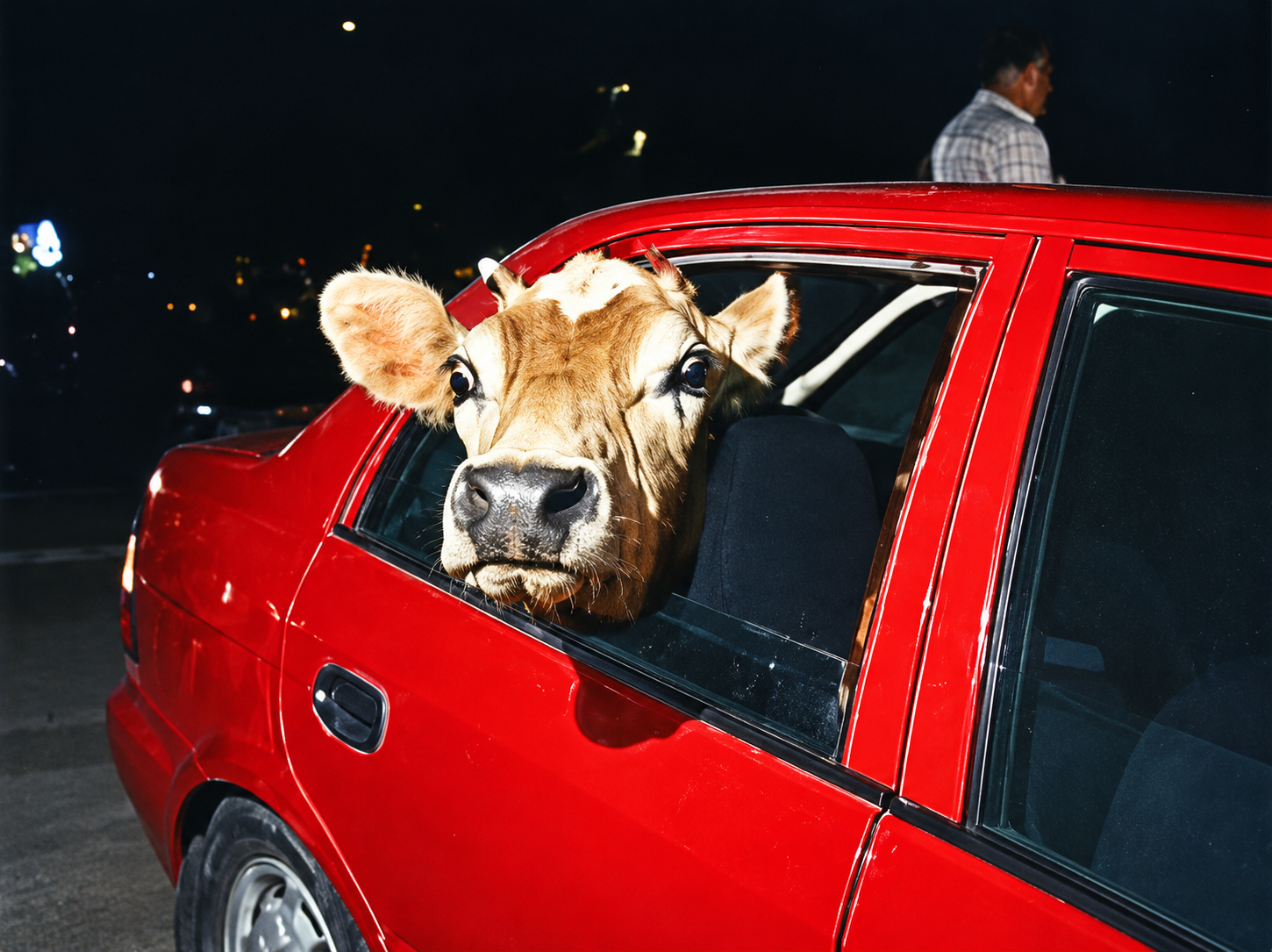
A true story
Mountain-bred milk cows seldom become queens. Maria challenged this reality and finally got her wish.