A fable
The Mouse Who Saves the World
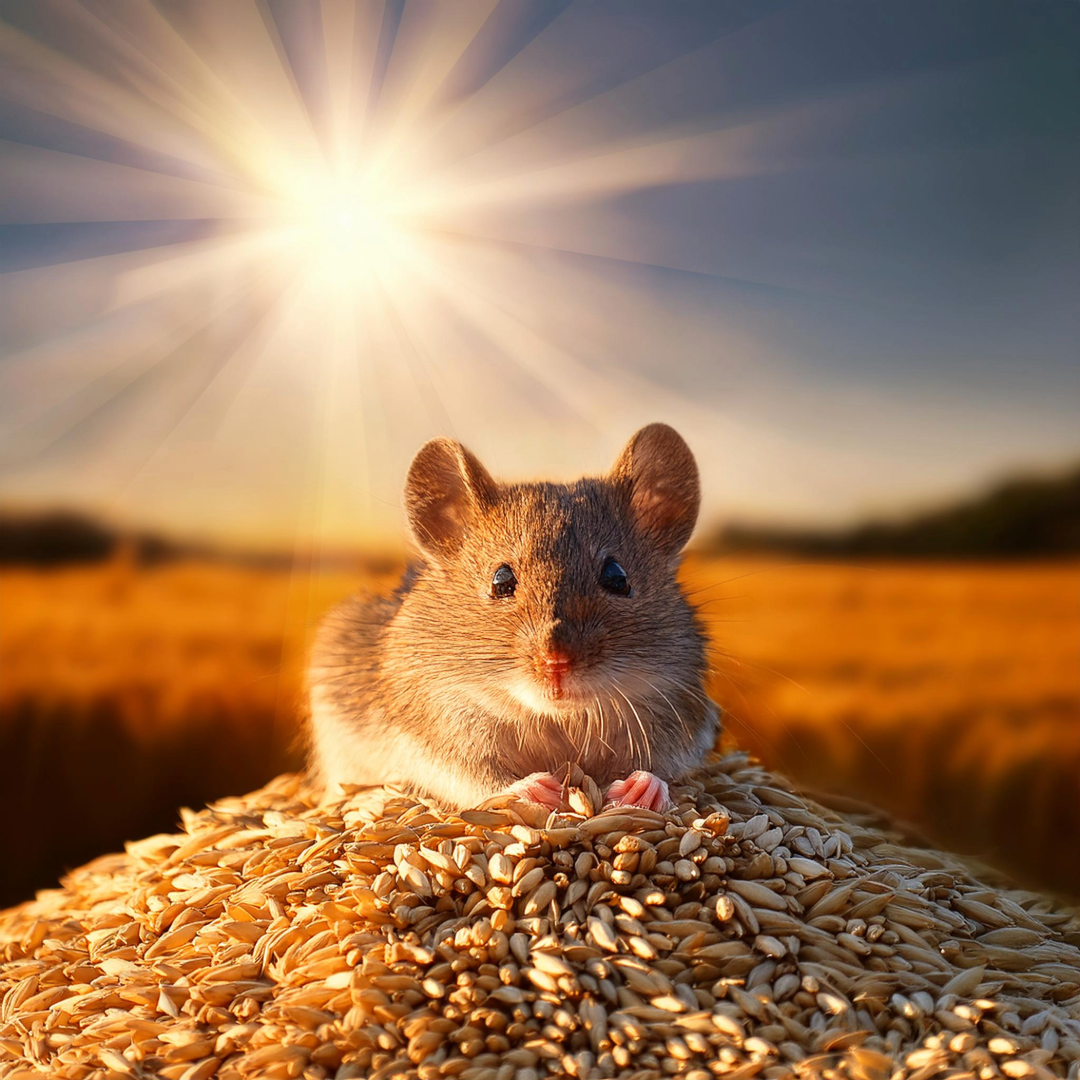
A chubby, grain-fed field mouse goes to the city. Skinny from hunger, she saves the world from a nuclear disaster.
by Luisa Penrose (pseudonym) · 15 pages
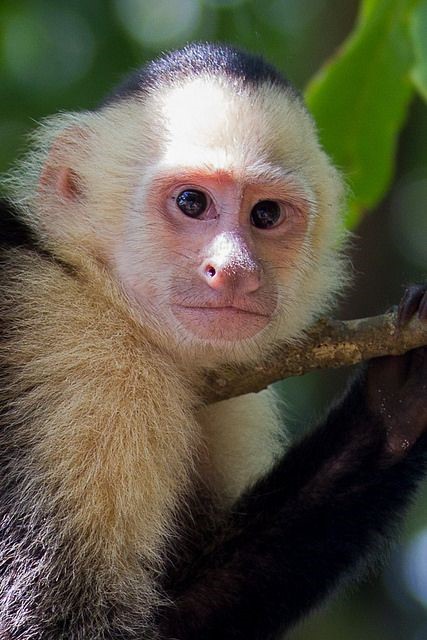
Born albino/white into a dark, howler monkey family she saves her troop from starvation and brings a new species into the primitive world of monkeys.
Read the full story
Hilda, Queen of the Monkeys
With volcanoes past and animals new, a baby-monkey favored sound over sight and heard the ocean’s thundering waves. Her name was Hilda and she had resilience coursing in her veins. Her first memory of the repeating, distant sound made her curious about the murky jungle world around her.
Clinging to her mother, wide-eyed from monkey curiosity, she realized sunlight hurt her eyes; it was too bright; but in low light times she could see like day.
She lived in an ancient earth paradise, surrounded by coconut palms and trees filled with fruit, nuts and nutritious leaves. The refreshing ocean breezes and toasty tropical air made her a very lucky monkey indeed.
Lucky, except for one thing, Hilda had pure, white fur, not the reddish-brown color of the others in her troop. She was a rare albino monkey, a spirit messenger to her species. White monkeys, like white buffalo of the First Nation’s culture are a sacred sign of spiritual presence in the world.
Unable to forage for daily survival, the disability about light gave her extra time to think. Even though Hilda was small, she made thinking a big part of her life. She developed kindness and compassion for others, always considering ways to support her family and the members of her troop.
Other monkeys didn’t develop these human characteristics; they were too busy being baby monkeys to care about the deeper things of life. She didn’t play, eat, or act like the other baby monkeys because she couldn’t see, and depended totally on her mother’s care.
Like all albinos, Hilda didn’t have the melanin pigment of normal skin that blocks the sun’s harmful, ultra-violet rays. This made her hyper-sensitive to light, even in the shaded treetops. The tropical sun burned her skin and squinted her teary eyes shut without mercy. The intense daylight caused her pain and meant she would live in low-light, shade and darkness her entire life.
Adult monkeys bear young any time of the year, but most troops give birth at the same time to create strong family ties in the group. Adults find secluded places to nurture their young and keep the troop in good numbers to make up for those lost to accidents and predators. This birthing as one age group makes day-care and kindergarten easy to organize in the monkey world.
New-born monkeys spend their early lives holding tight to their mother’s backs and chest, wrapping their tail around their mother’s tail to keep from falling. Attached to the mother in this close way protects them from harm. Under their mother’s care, the young learn about living in the wild; a place of steaming volcanoes and monkey eating beasts.
Hilda survived because her mother, by instinct, knew she needed more love and attention than the other, baby monkeys. She accepted, Hilda could not follow them on their annual migration route from jungle, to mountain and back to the sea. She worried for Hilda, who wouldn’t be able to keep up in the bright light and would be left behind to die of starvation or from a predator’s attack. Nature’s way of showing mercy for a disability and putting an end to suffering is not the human way; we have compassion for suffering.
Hilda’s mother found shaded places where she could protect her daughter’s sensitive skin and weak eyes from the blistering sun. She had friends her age, so wasn’t alone, just separated from the group in sunlit hours. Only in the low light before dusk or dawn could she eat, play and be a normal monkey.
Hilda accustomed to this hard reality of life. A weak, or disabled wild animal that can’t keep up with their herd or troop must be left behind. Unlike humans, who care for the disabled and encourage them to develop skills to build their well-being, monkeys don’t get that same chance. Hilda’s fate was to be shunned, ignored and left behind to fend for herself when her troop moved on.
She felt a sense of value, of destiny in her world without sunlight and wanted to prove, not all disabled wild animals are helpless and of no use to their group. As her name Hilda translates, she was ‘born to be a warrior and do battle’ with life challenges. As result of all her thinking she hoped if she believed in the goodness at the core of her being, the troop could believe in her too.
After a few months’ babyhood, she tried to show her mother she could manage on her own, leaped, missed her target and tumbled down through the leaves. Young, frail and tiny, she fell to the soft earth, unharmed.
The danger of falling past, a new one appears, a prowling tiger looking for food could end her life in one bite came to her unconscious body and sniffed: ‘Not a normal monkey, white and so little, not even a snack.’
It turned away from the strange, odorless finding and Hilda’s mom, risked her life to scoop Hilda up in her arms on-the-fly and scurry up the tree. The tiger continued its hunt without notice and Hilda was saved from disaster before she knew what disaster was.
Monkeys can’t forage for food or travel in the dark; too many dangers lurk in the night jungle, but nighttime was Hilda’s best time of day. At sunset, as the troop gathered to sleep high in the branches and leafy cover of the tree canopy and together, as one, rest. Hilda had found her groove: The still, quiet night under the moon gave her peace and comfort
A monkey’s life is spent active in daylight and sleeping in darkness. This put Hilda in a predicament, she was the opposite: Sleep in the day, awake at night.
When her troop left for their new feeding zone, she would starve or get eaten by an animal searching for food. Her physical disability turned into an advantage for low-light foraging with no competition for her skimpy findings. Hilda’s solitary existence had a good side; she had only herself to feed and care for. Different from the troop who gather in feeding locations to share company and food. But spending life alone, avoiding sunlight, without a protected place to sleep guaranteed it would not be long ending.
Like the other baby monkeys, she made friends during the early months of life. They accepted her differences, as young babies do. Being the same age gave them similar interests, and they liked Scramble-up-the-tree and jump game best of all. They played in the shade to give Hilda a chance to join in the fun.
As they grew older, some became bullies, calling her ugly and making fun of her white fur and her pale eyes. They didn’t realize that the contrast to their dark fur made her pure whiteness the color of a spirit monkey.
They didn’t know Hilda would one day become the queen of the monkeys. They didn’t see her as a gift from God, but as a threat to their survival. In this way of small thinking, they considered Hilda a burden, not a blessing. They thought wrong.
They ganged-up and taunted, “Whitey, Whitey, Whitey” and took advantage of her issue with daylight “Blind as a bat, food for a cat!”
These chides and insults hurt Hilda’s sensitive feelings. Her friends did their best to ease the sting of the insults, (“They didn’t mean it.”) and Hilda’s mother, as mothers do, helped her see through the dilemma.
“We can’t change reality Hilda, we’re monkeys. Use their insults to help you grow stronger. You’ll need all the fortitude you can gather to make it on your own until we return.”
Hilda played with her close friends in the early and late daylight hours and ate by herself in the shade below the tree canopy. The others, feeding above, dropped their food leftovers on her head. Ever cheerful. “They’re doing that to help me resist anger to control my emotions and that’s a good thing for me.”
With the rubbery section on the inside end of her long tail to grip things, she could feel textures. Her tail equaled an extra hand, to dangle and spin in youthful, nighttime fun under the sparkling stars and white light of the moon. She felt her emotions came from the moon, her nighttime friend, while the others got their feelings from the hot, yellow sun.
Her best friends forever (bff) saw wonderful goodness in Hilda. With a forgiving heart, she didn’t consider their others insults bad. In her mind it was their way of reinforcing the bonds necessary for the group’s existence. All, but a few, thought she was bad for band and making her the focus of ridicule tied them closer together.
Hilda’s ‘vision’ to see what they could not made her determined to live with endurance to honor her species.
“If I live long enough, maybe one day, I’ll get a chance to set things right.
“I’ve only got to stay alive until that day. With the rainy season coming soon there’s no time for, ‘I give up’.”
Her mother encouraged Hilda in the inevitability of their migration
“You set your mind to it, young lady, and you can do whatever you dream. Never give up on yourself, Hilda. Promise me. Never.”
Except for a few special friends, the others whispered, giggled and made fun of her. This hurt but there was nothing she could do.
Hilda’s life was full of unseen danger; blinded by the sun, she almost got eaten by a python and another time she slipped, but didn’t fall, to the rainforest floor when she missed a step to a branch. Her mother counseled: “A good attitude will take you further than bitter tears and heartbreak Hilda; in precarious situations, you need a positive mind.”
The king and other leaders of her troop were cruel and nasty and said mean things to drive her away. They didn’t understand the strength one gets from the power of forgiveness. A power granted to anyone unwavering in their beliefs of truth and kindness. By forgiving their cruelty, she moved beyond them in her life and wasn’t weighed down on her journey by their insults.
When she was small, forgetting hurt feeling came easier than as an adult. A soft touch or supportive glance from her sister or mother was enough to ease the stress and forget the pain. As juvenile, her feelings moved to deeper things, and it was harder to bear the loss of separation from her family.
She gritted her jaw, “I’ll never think less of anyone with less than me, like they do. Everyone, deserves a chance to exist and live their life to the fullest, no matter what weight they carry. They’ll always be my family, and I’m one with them, even if they don’t want me.”
At the end of the six-month summer, heavy rains signed the move to new feeding areas. Time to move on signaled by the orange and yellow crabs emerging from their land burrows for the annual mating ritual. The torrential downpour washed them out of solitary life in an earth tunnel and they covered the ground in all directions with a sideways walk, front pincers snapping for a mate’s attention.
Animals feasted on the annual food bonanza, not a pretty sight to watch from treetops. The flow of life, easy for the beasts and hard for the crab, jolted Hilda to reality of life in the wild.
The troop moved deeper into the forest of leafy canopy and dense stands of trees to avoid the pelting shock of torrential rain. And to be protected from the all-powerful hurricane winds whipping the coast.
Her birth mates, juveniles almost on their own held one handsome male, Adalhard, of noble strength, the eldest son of the king. She called him Addie; he was her best friend and favorite playmate. Addie was fast and strong; she, careful and intelligent. Addie heart broke to leave, knowing she couldn’t follow on their migration into the forest.
On departing Addie said, “Hilda, you’re my best and most loyal friend I could ever wish for. You’re different than the others, not only in looks, but in the way you care about them with goodness and forgiveness in your heart. I’ll never forget you, ever. I hope you find a way to survive until next year and forgive my mean mother and father for their hurtful ways.”
“Thank you, Addie. You’re very special to me, and I’ll never forget your kindness and caring when the others put me down for being white and almost blind.” Her eyes watered, and Addie saw in her, his future mate; if only she could manage on her own.
When the troop moved, Hilda couldn’t keep up in the rain-scrubbed sunlight, fell behind and watched them disappear into the forest. Her mother’s final longing look said; “I’m so sorry, Hilda,” and this sad look was all she had to hold in her heart after they were gone.
Sacrifice of the individual for the group is a basic of primate survival. But in her thinking, their meanness showed they cared. In other words, they called her names to make her stronger for the times when she would need strength most—on her own.
Hilda needed a safe place to rest in the daylight hours. Without warnings from her kin to alert danger, sleep was fitful and filled with worry.
She looked beyond the treetops and saw a mountain ridge overlooking the valley that led to the sea; the mountains hemmed in the vast river valley she called home. She moved toward her mountain goal and once there, saw a forward jutting rock just below the top of the ridge. A huge, tree root gripped and covered the rocky knob sticking out of the mountain face.
“Is that a cave or just a dark opening in the roots not seen from above. I’m a monkey, I can climb up there easy.”
She clambered across the gaps in the stone and scurried up ravines hidden by the dense undergrowth. When she arrived at the base of the gigantic tree and out of breath from her rigorous climb, she found a mountain spring of clear water. The water reflexion of her white face and big eyes gave her a feeling of companionship and comfort. She tasted it to quench her thirst, remaining alert to danger. It was delicious.
The knurled, snarl of roots dangled in the air and gripped the mountain below her feet. Inching her way down the jagged cliff on the mountain’s face she saw the cave opening she’d spotted from below. It was near covered hidden by a tangle of roots. Hilda hoped this would be the day refuge she needed to protect her from the dangers of the forest.
Here she’d be alone, but have time to quit thinking about what everyone thought of her. She stood on the round, rocky knoll with an excellent view of the distant sea. Proud she’d survived so far, this hard to get to spot would be her nest of safety. From here she could get control on her risky situation and never let it go.
Hilda stood at the cave entrance peering into the darkness and heard a ferocious, ‘Roar’ and deep-throated growl. She couldn’t see what it was, but knew it was too close and she couldn’t escape its wrath. Life was over, her eyes grew big, and she tried to look as bitter tasting and unappetizing as possible. Out of the gloom, a ferocious beast lurched toward her. She closed her eyes and trembled, hoping death wouldn’t hurt too much.
The beast bellowed: “Who are you, and what are you doing in my cave?”
Hilda, timid as a mouse. “I… I need a place to live and be safe from the creatures of the jungle who want to eat me.”
“Ha!” The beast laughed, “at least you’re honest.” It continued,
“I bet you think I’m an ugly beast.”
Taking advantage from this unexpected moment of reprieve, Hilda stood a touch taller and answered.
“Well, actually no, Sir, I don’t think you’re ugly at all; maybe a little smelly, but not ugly. You see, I was called ugly my whole life and I don’t think your outside should change your feeling inside. You could have killed me already, but didn’t, so maybe you need some company, the same as me.”
“Well, well, well,” the beast seemed calmer.
“There’s always a first for everything. You’re the first creature to come into my home who didn’t think I was ugly, and for that honesty, I will spare your life. Do you like fruit? I picked some this morning and it would be great to share it with someone after all these years. I’m vegan, so meat is not on my menu. Those who come into my cave and insult me must die. It’s one of my quirks. After living alone for so long, you can get kinda weird.”
“Me, well, I love fruit, I live for fruit. I’m a fruit nut and a crazy fruit loop to boot.”
The beast tipped his head back to howl with laughter. “You and I are going to get along just fine, little squirrel.”
“I’m not a squirrel, I’m a monkey and a special one at that, but thank you for your offer of food Mr. Beast. I’m starving”
“Here eat this, I have plenty.”
It pointed to dried fruit deeper in the cave’s dim light. By being brave, Hilda found a perfect place to live and could see everything inside the dark cave clear as day. With nothing there to hurt her, she selected a fragrant mango from his pile and bit into its stringy sweetness.
“This is soooo yummy, Mr. Beast, thanks.”
They sat together, ate fruit and went up to the ridge for a drink of water. The view was spectacular. After her big day of adventure and new discovery Hilda felt sleepy, but decided to sleep near the mouth of the cave, still a little nervous the beast might have ideas about harming her in the night.
They shared the cave over the long rainy winter. The beast became her friend and didn’t make fun of her color or species difference. If the truth be known, the beast was ugly. hairy and stinky but its body was furry warm in the cool winter nights and she found by settling near his fur to sleep, she could feel comfort and love.
The beast was caring even if it had strange ideas about being ugly. Monkeys are very clean animals, so as a bonus, she groomed the beast and nit-picked his fleas when he got itchy, and, to return the favor, it did the same for her. They were the cleanest pair of social rejects on the planet.
Their friendship was built on companionship in hard times. She foraged nuts high in the trees, and the beast found fruit close to the ground. They shared delicacies neither had tasted for a very long time. With her cave mate, they passed time in industrious work, creating a life from nothing but perseverance.
It wasn’t long before they had a vast store of nuts, dried fruit, berries and other necessities to provide for future needs. The only thing Hilda missed was something she couldn’t have: Her family and friends to share her life.
When summer came again, the earth turned dry and scorched brown. In the tropics, leaves fall in the dry summer and grow back in the rainy season. Rivers dry to trickle, before disappearing into the earth.
The change of weather brought a severe lightning storm that flashed and thundered across the valley floor. To her sensitive eyes lightning bolts were totally blinding. Fires erupted from the torment and moved down the coast into Hilda’s valley. Over the next two weeks, the raging blaze burned and scorched the entire river basin.
Complete families of animals and entire troops of monkeys were extinguished in these few short weeks:
“Did my family survive the fire, were they too eliminated from the face of the earth?
“What’s that horrible smell? It burns my nose and makes my eyes water like big time.”
She peered out the mouth of the cave at night and saw the entire forest blazing in fire, the dense smoke hid the river and distant volcanoes from view. She started to cough, and the beast said, “Come inside Hilda, it’s better in here.”
From her perch high above the smoldering valley, she squinted and saw a few frazzled, burned stragglers swimming across the crocodile-infested river. When the crocodiles caught them, they disappeared into the ash filled water and they swam for their lives. A disaster of monster proportions was about to exterminate all the monkeys from her river delta home that stretched for as far as she could see.
Hilda stood erect on the rocky outcrop untouched by fire and the ravages of this catastrophic event. She could see the surviving monkeys struggle from the water and crawl to safety in the smoldering trees. They scrambled up and stood on the flat rocks above the river.
The troop couldn’t believe their eyes. There, in front of them stood their Hilda, a mature miracle, well-fed, happy and strong. She’d overcome the deadly fate of her disability. The troop survived fire, drowning and crocodiles, but wouldn’t survive famine and thirst in a forest without food or water.
“Hilda! Thank goodness you’re alive.” Her mother ran forward and gave her a huge mother’s love hug; the one that’s only given after a long time gone.
It was a bittersweet moment. She’d prospered, despite disability to become an adult with knowledge to survive the harsh and ancient, heartless world. Hilda earned her dream to make a difference to her family, troop and the monkey kingdom. When that day arrived, she accounted it came at a terrible cost to her troop, her species and their jungle home.
“Hilda survived,” her friends cheered. Then, to her complete surprise, the other members of the troop attacked her, biting and scratching. They were vicious in their anger against her for surviving when they almost lost their lives.
Her friends came to her rescue and drove the others back. In the group of defenders, she saw her childhood best friend, Addie, the king and queen’s son. He was all grown up now and even in his ragged condition, looked more handsome and brave than when he was a boy monkey. Love will do that to you and make you happy.
The king commanded: “We need food and water. Do you have any?”
“Why yes, I do. I have plenty in my cave on the mountain face, just below the tree up there. I’ll go and bring it.”
“We don’t need you Hilda, we never did. We know how to climb and eat, you fool.”
Hilda tried to warn the leaders, “You can’t go up there. It’s too dangerous.”
They didn’t give her any credit for surviving while they were gone, nor did they know she was different than before; they failed to see, Hilda was now confident and in control.
“What do you know? What did you ever know, Whitey, pink face blue-eyed ugly? Get out of our way.”
“Wait! You don’t understand. There’s an animal up there and it doesn’t like strangers. It‘s very mean and like totally stinky. Don’t make fun of him like you do with me. He doesn’t like that. Please, don’t go up there without me.”
The matriarchs and the king shoved her aside and marched forward to feast on the treasure of nuts, dried berries and fruit stored in the cave. Her few friends who survived fire, crocodiles and starvation stayed with Hilda. They knew she was right and their leaders wrong. They trusted her with their lives and sensed her capacity for leadership and love.
“What a shame.” Hilda felt sorry for the king and the leaders, the meanies who wouldn’t listen to reason. “Their spite carried for so long, they’ve forgotten how much they hurt and insult by calling others names they don’t like to hear.”
With the king in the lead, the scraggly troop marched up to the top, climbed down the cliff face and into the cave. She could hear them insult the beast. “Yes, you’re an ugly beast and we want your food. Stand aside, Big Boy.”
One by one, on each insult, the beast tossed them from the cave. He did so without mercy or second thought, much to Hilda’s shock and dismay. Old habits, die hard deaths. The bodies tossed from the cliffs and vultures circled.
The beast would never understand. She went up to the cave and called it… “You, Sir, are a nasty animal.
“I understand why you did this. It’s a beastly act and you’re a beast after all, but I hoped you learned from me, but some things never change, and now I understand you can’t change. But my change in thinking, gave me a life.”
Piece by piece, she moved her food cache to the valley floor so her friends and family could share in the generous bounty.
On the death of the king, Addie, her boyfriend, became the new king. Addie cuddled her in his furry arms to comfort her from the beast’s actions. She felt blame for the beast who’d killed the leaders of her troop and horrible to have caused that on them.
From the shame of going against his father by staying with Hilda when they went for food, he was granted victory and Hilda became his Queen. Together, they rebuilt the treetop kingdom of monkeys.
Their troop expanded to all the jungles in the ancient world. Hilda and Addie’s offspring were a brand-new monkey species; with white faces; the Capuchin. And, infused with Hilda’s caring, compassionate and forgiving nature they had emotions monkeys never had before. Their red-brown color came from Addie’s side of the family, and the cute, white faces from their mother, grandmother and their forever Queen, Hilda.
To this day the descendants of ‘Hilda, Queen of the Monkeys’ and her mate, Addie, the King, have beautiful, smiling faces. They are the ‘Capuchin’ and if you catch their eye and smile, you’ll see Hilda’s smile come back to join yours. Their grin back will make you smile as it did when it happened to me on a tropical beach so long ago.
The End
“White is the color associated with innocence, perfection, the good, honesty, cleanliness, the beginning, the new….” Eva Heller (2000), Psychologie de la couleur- effets ets symboliques, pg. 130-146
Stephen Hawking, a theoretical physicist genius who couldn’t talk total body paralyzed in a wheelchair is a good example of someone with a disability who gave more to human knowledge than others could hope to dream.
Joan of Arc, born with a pure heart, like Hilda was a French Saint. Laughed at and rejected by army leaders when she wanted to fight with the men to free France from English domination. Six hundred years later, she lives on, the perfect example of a young woman who fought for what she believed in and died in devotion to her people, God and her country, France.
A fable
A chubby, grain-fed field mouse goes to the city. Skinny from hunger, she saves the world from a nuclear disaster.
A bond
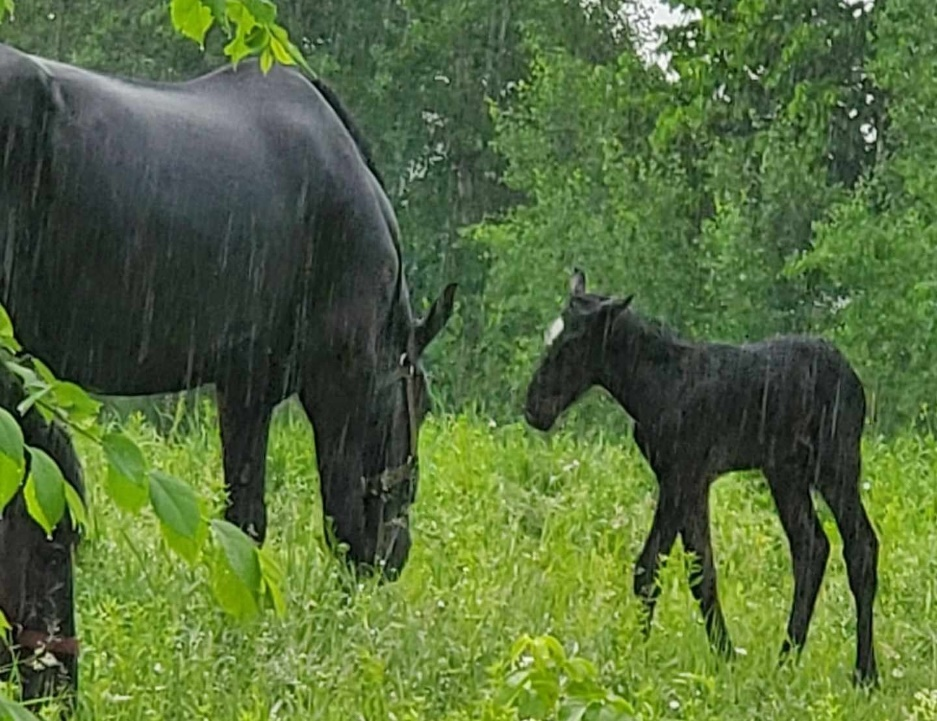
A filly born into a family horse farm is nothing special to look at until she begins to dance.

A romance
Guadalupe/Lupe Linda is a new bus who feels her passengers' moods. She finds their low feelings hard to bear. An older bus, Eduardo, with dents, missing paint, shares his secret to happiness and gives her reason to keep on beeping and busing.
A memory
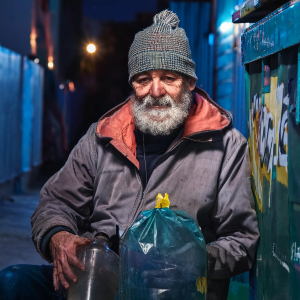
A man who’s forgotten almost everything is saved from the street’s destitution by a tiny, rough furred dog.

A digger
No one wants the runt of the litter until she starts digging...
A true story
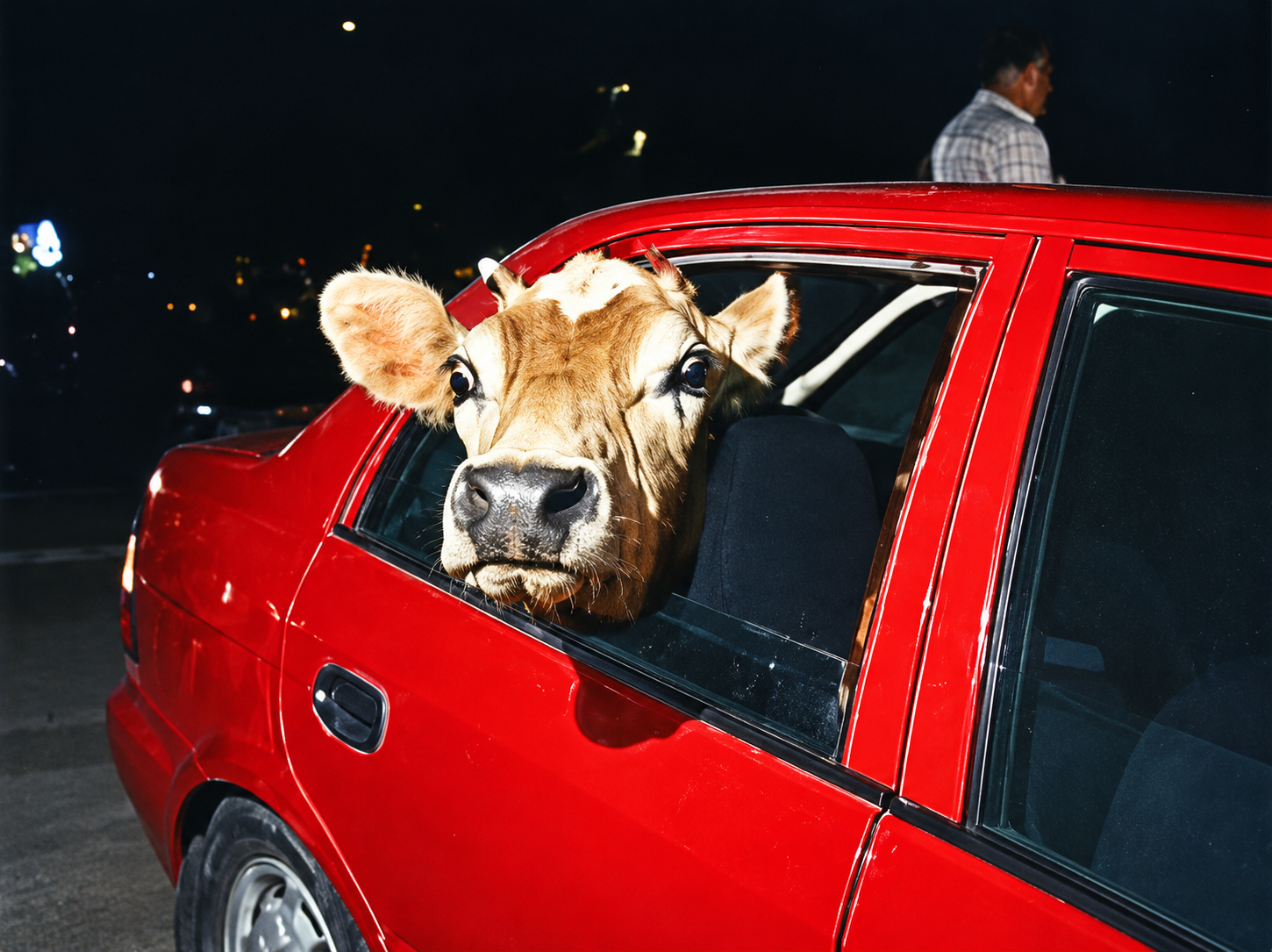
Mountain-bred milk cows seldom become queens. Maria challenged this reality and finally got her wish.